Confidence '25: Local Energy, Shared Knowledge, Stronger Together
This is an article from our partner DBDH.
Collaboration turns vision into reality in Súdwest-Fryslân
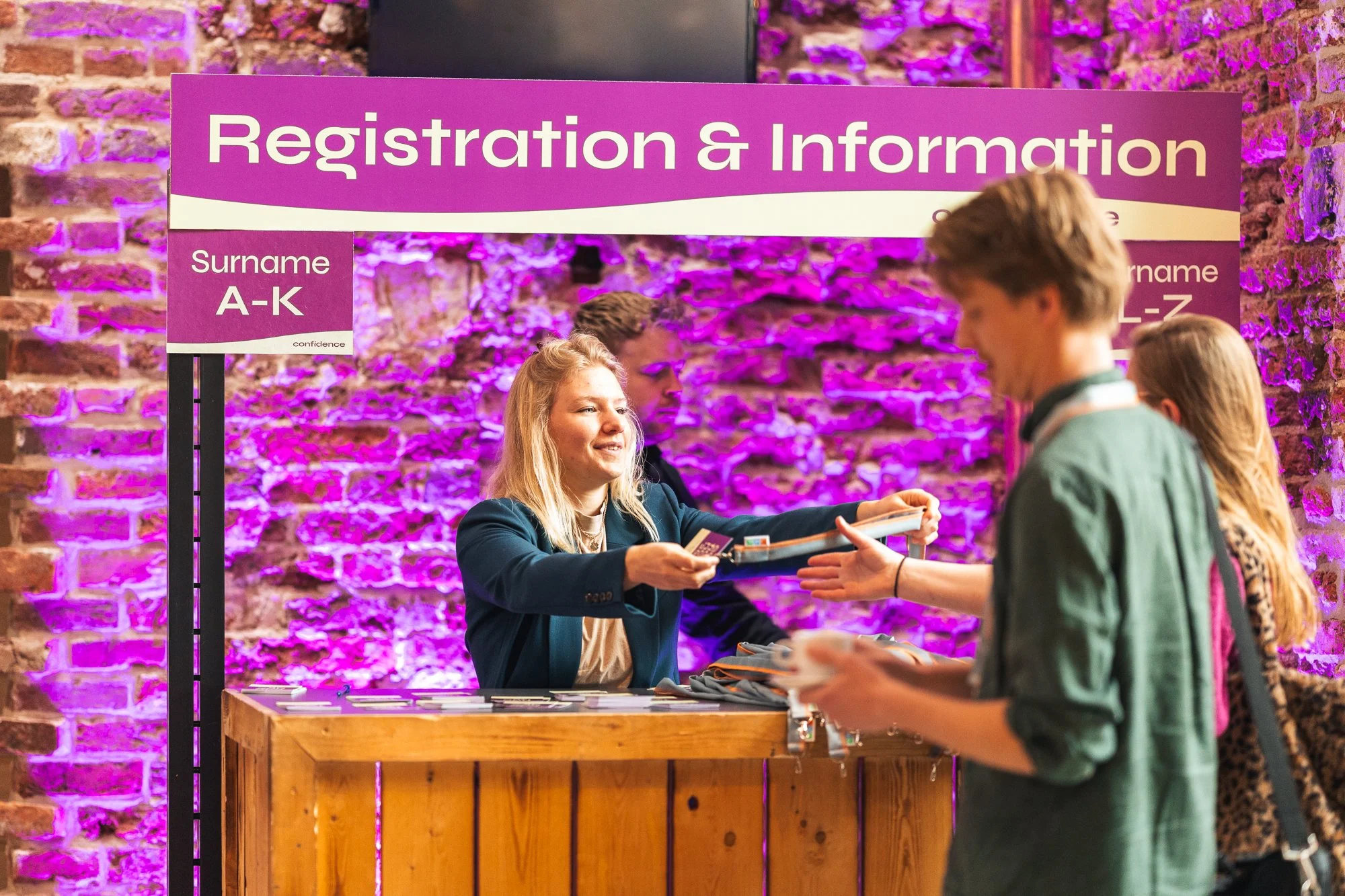
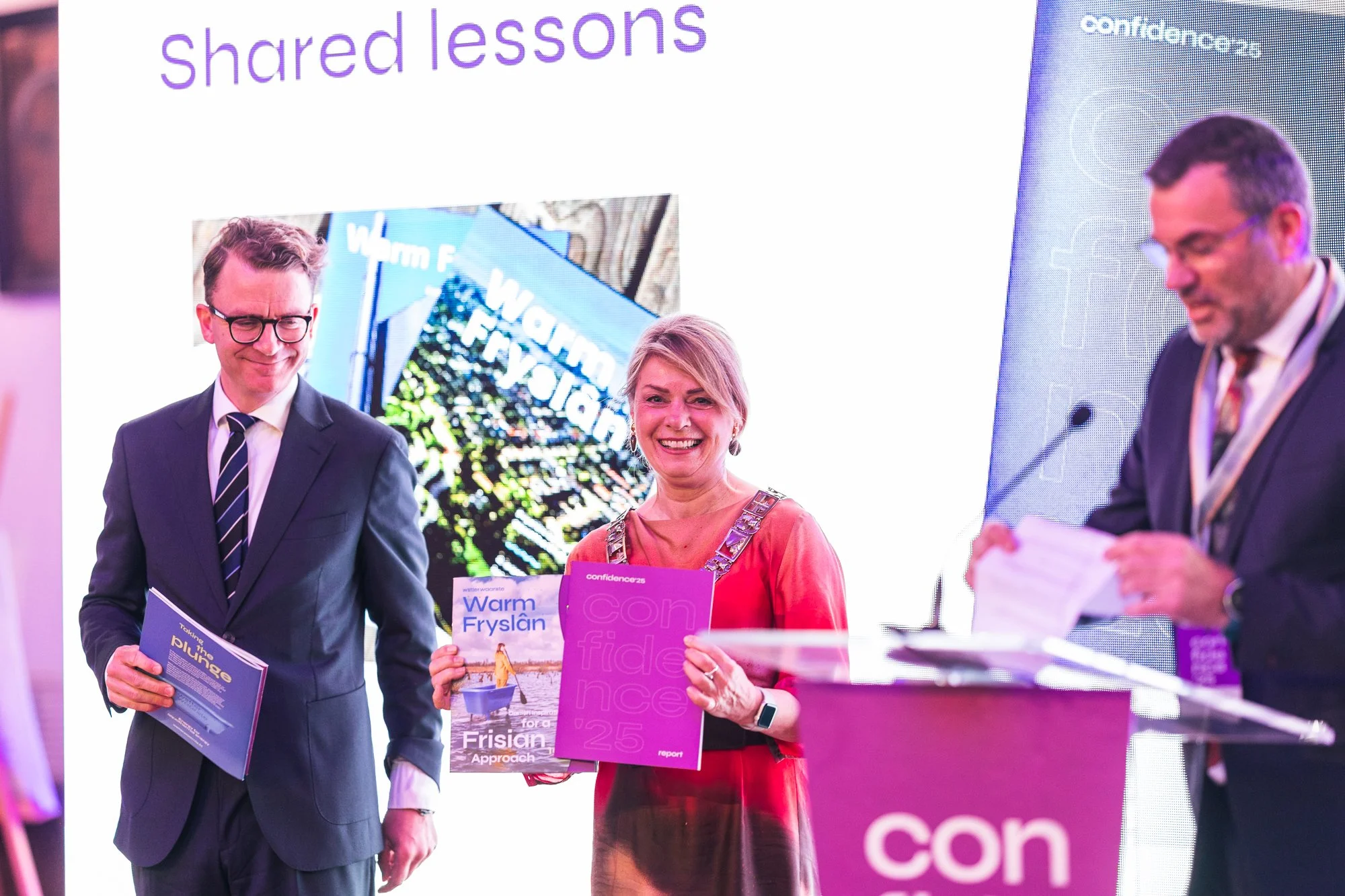
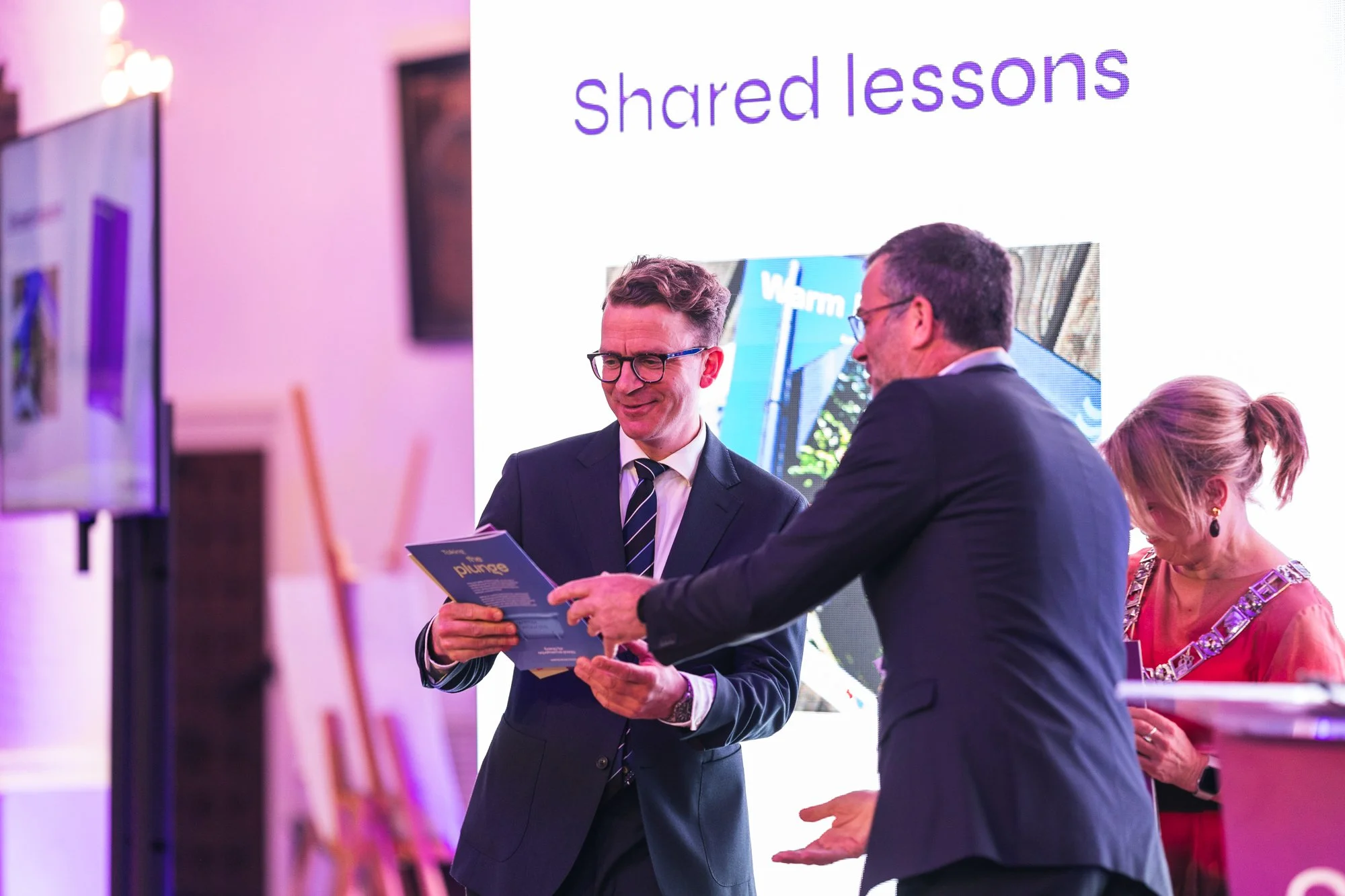
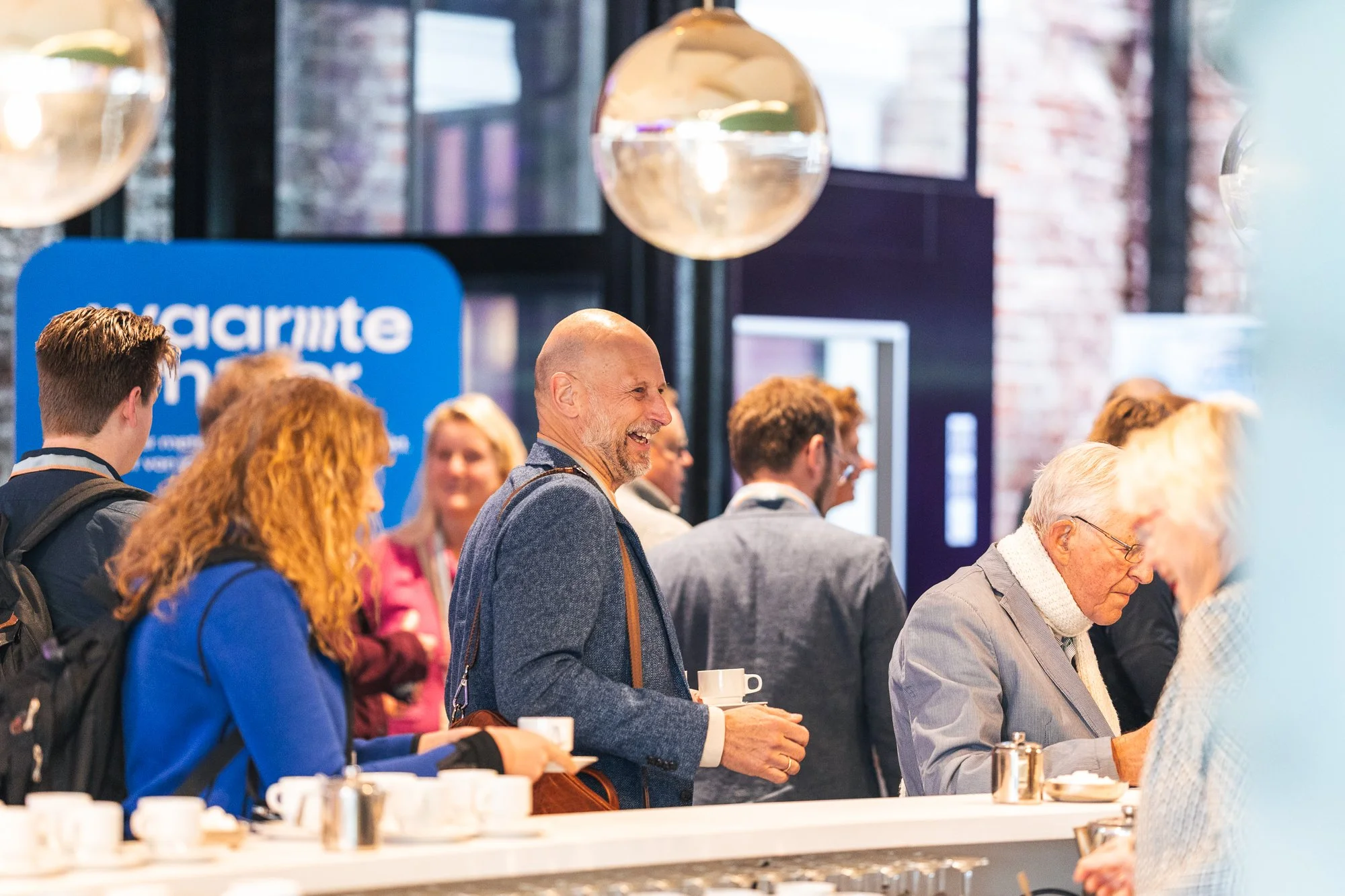
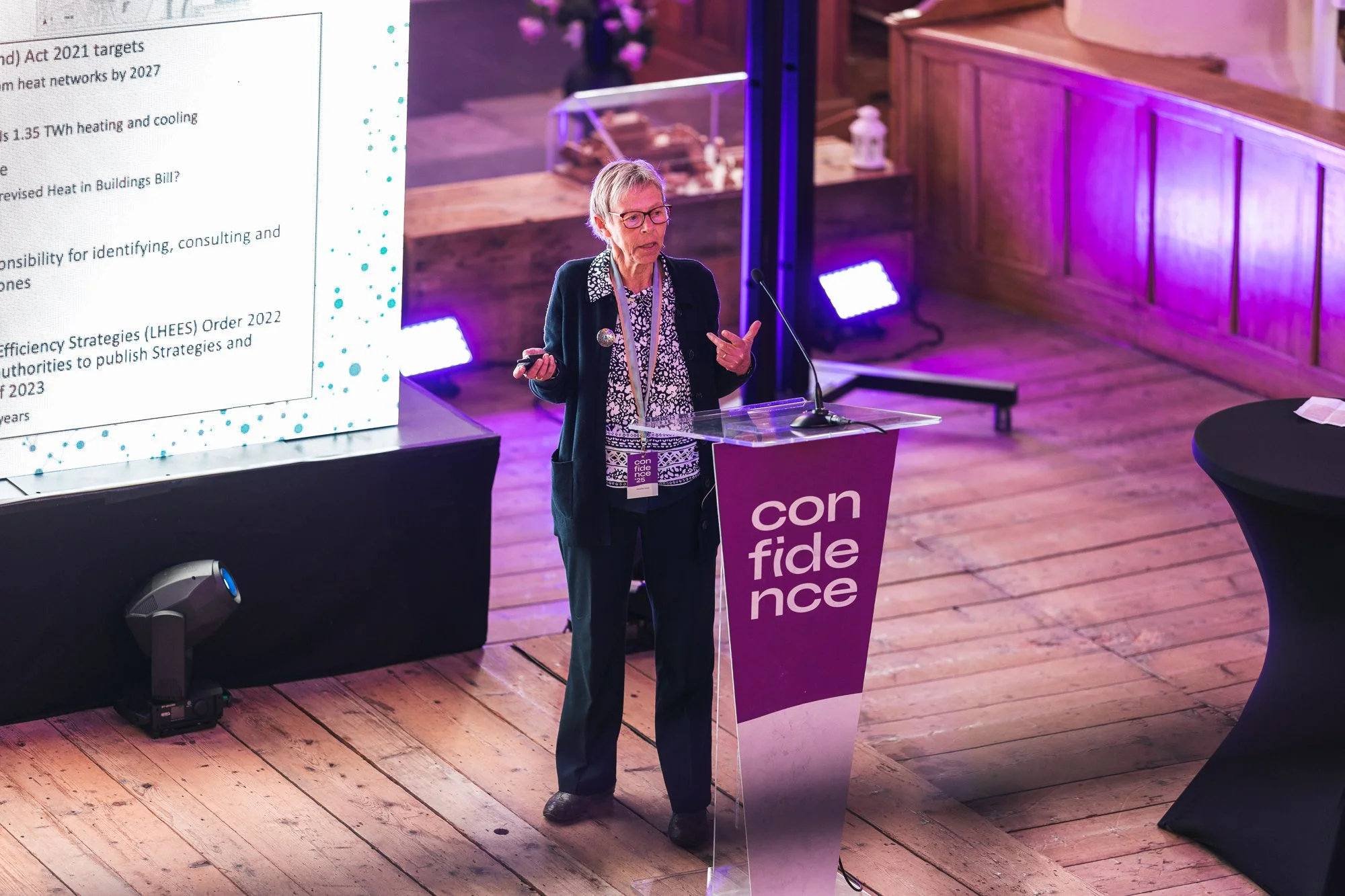
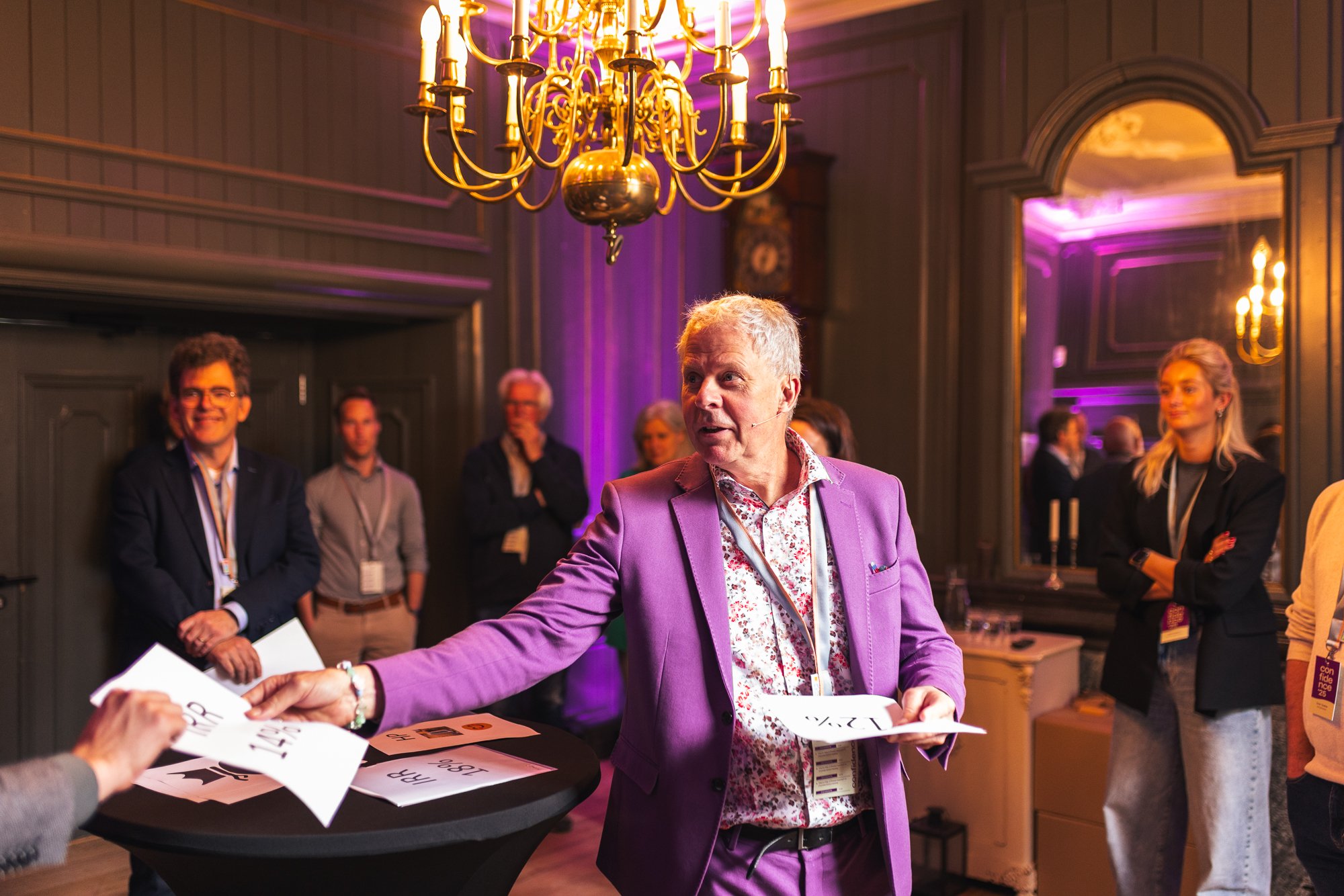
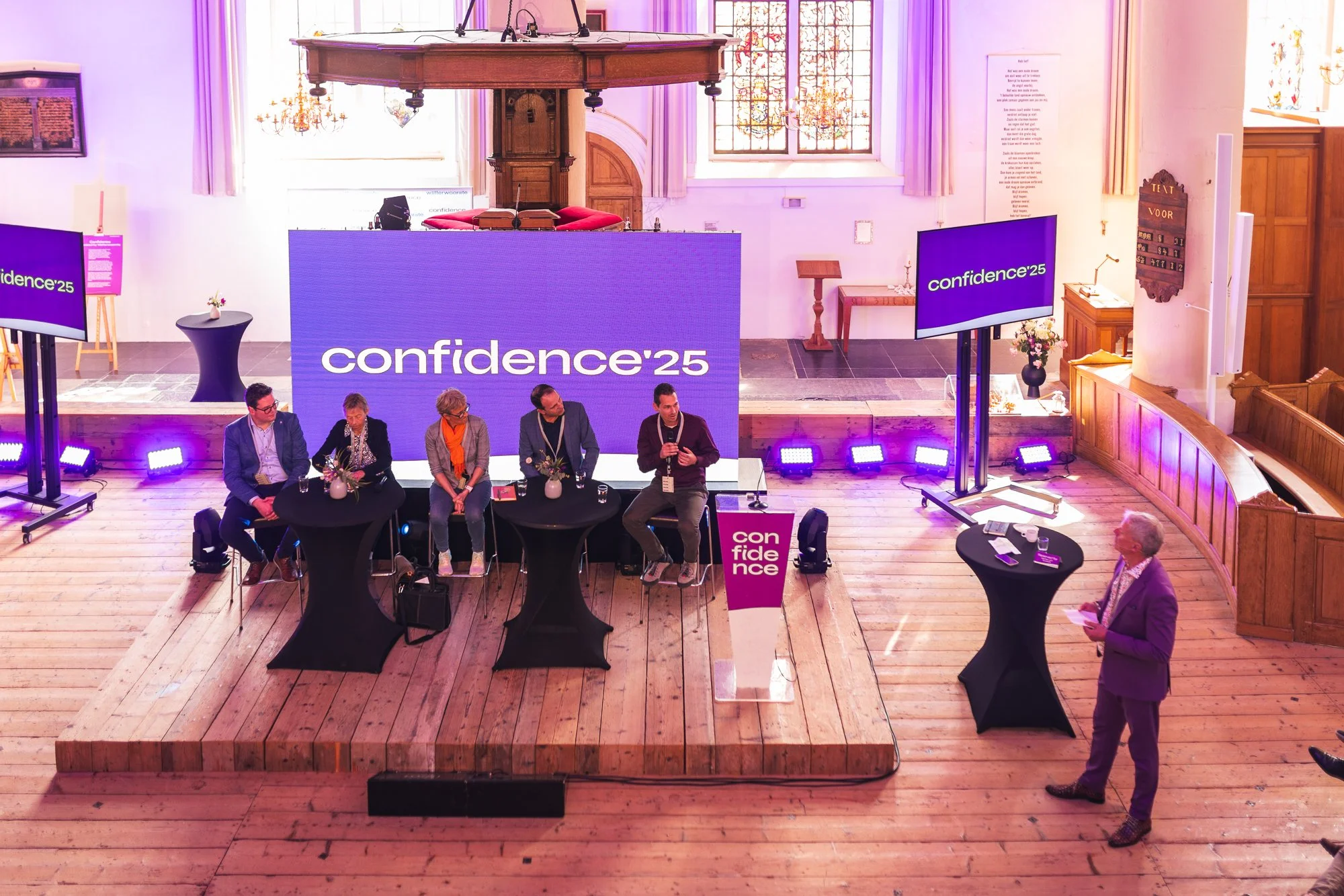
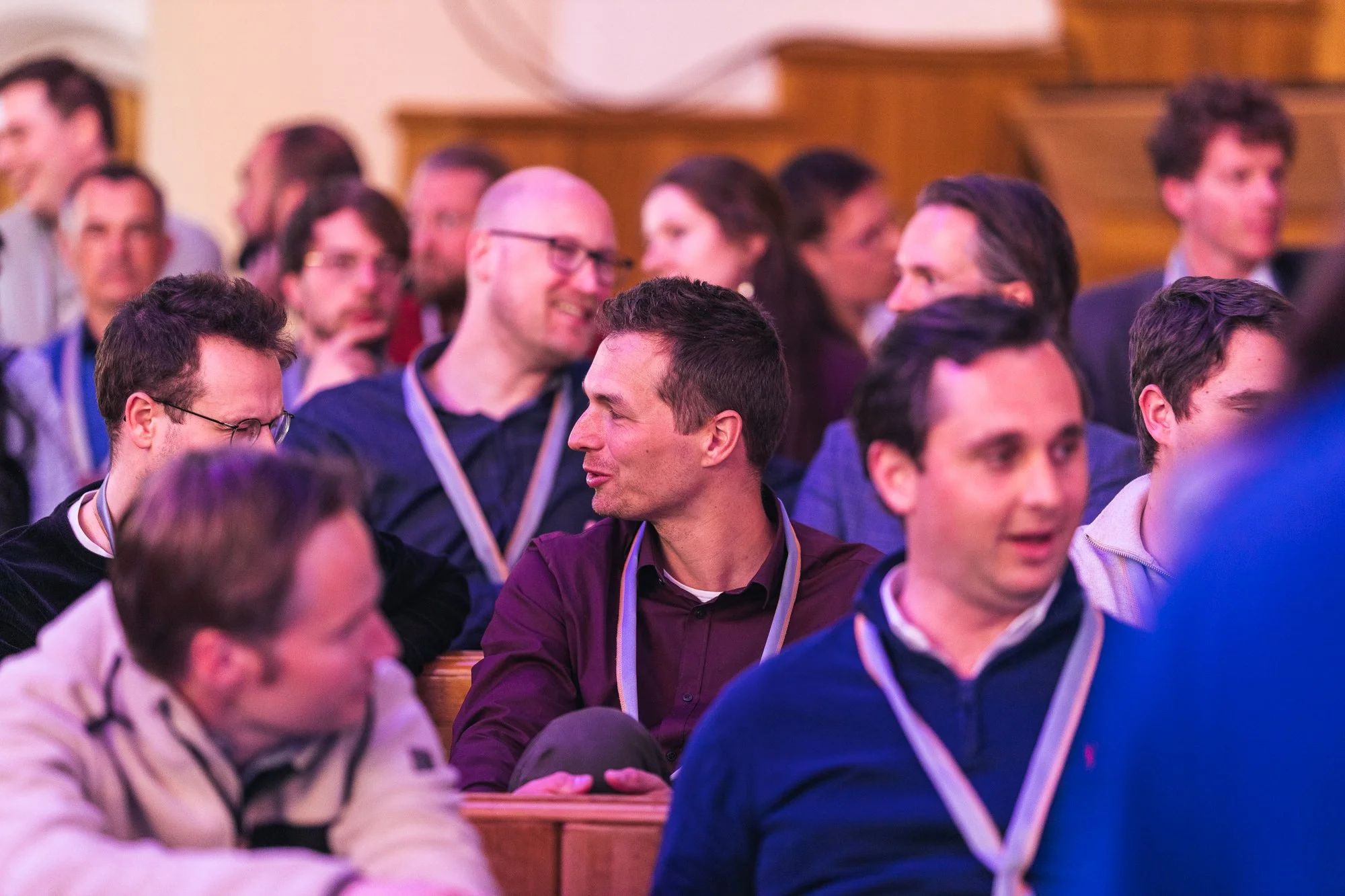
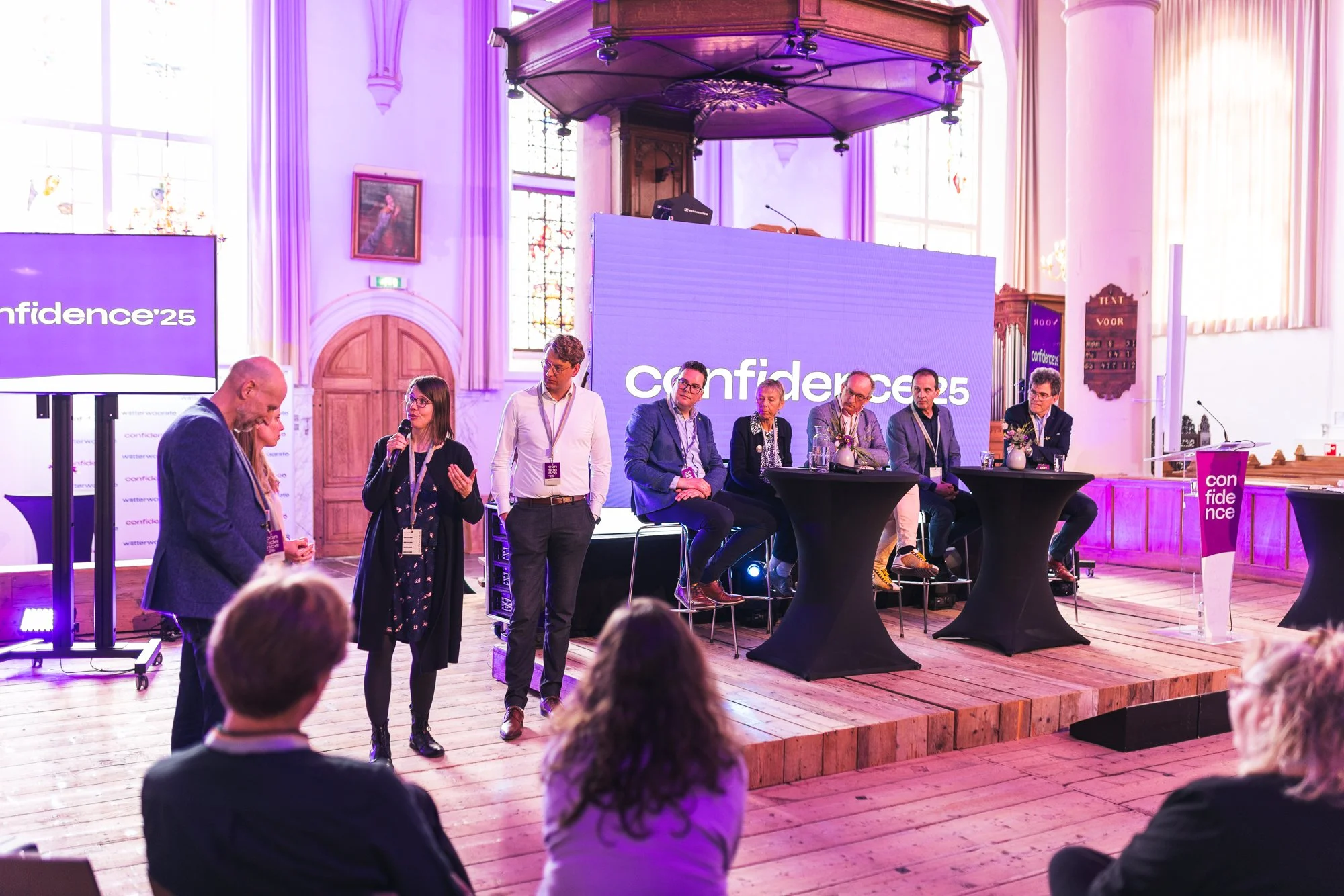
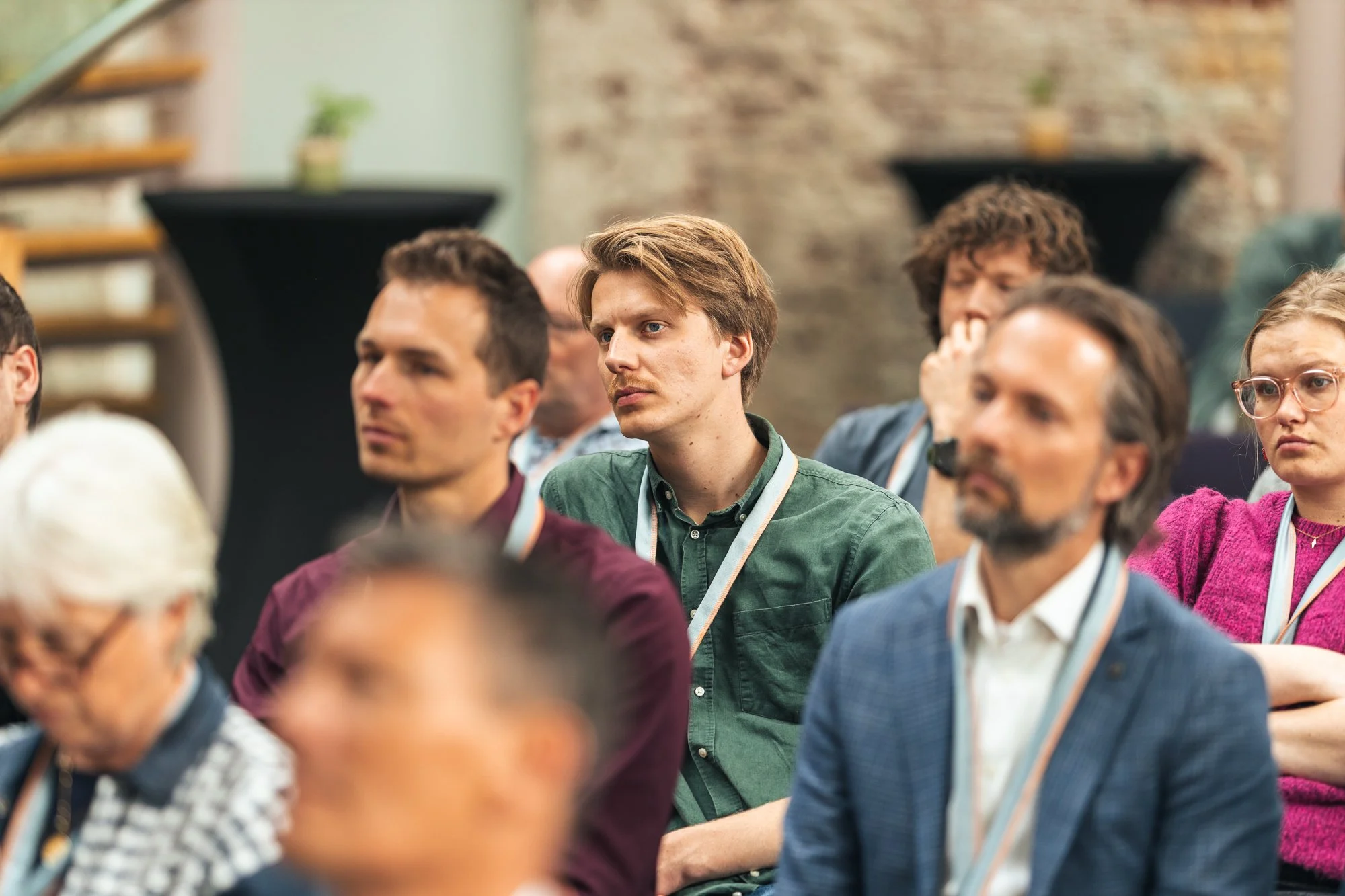
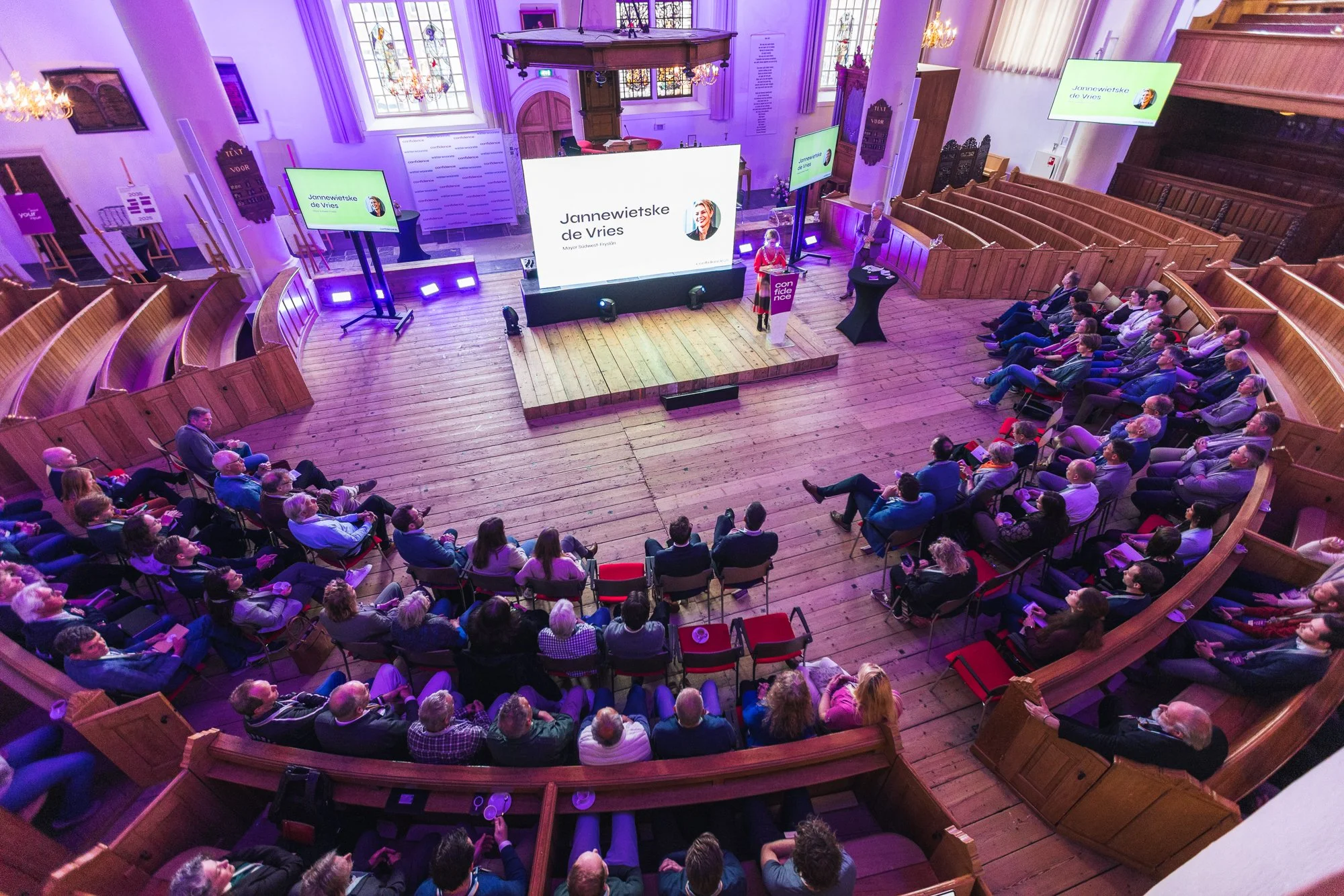
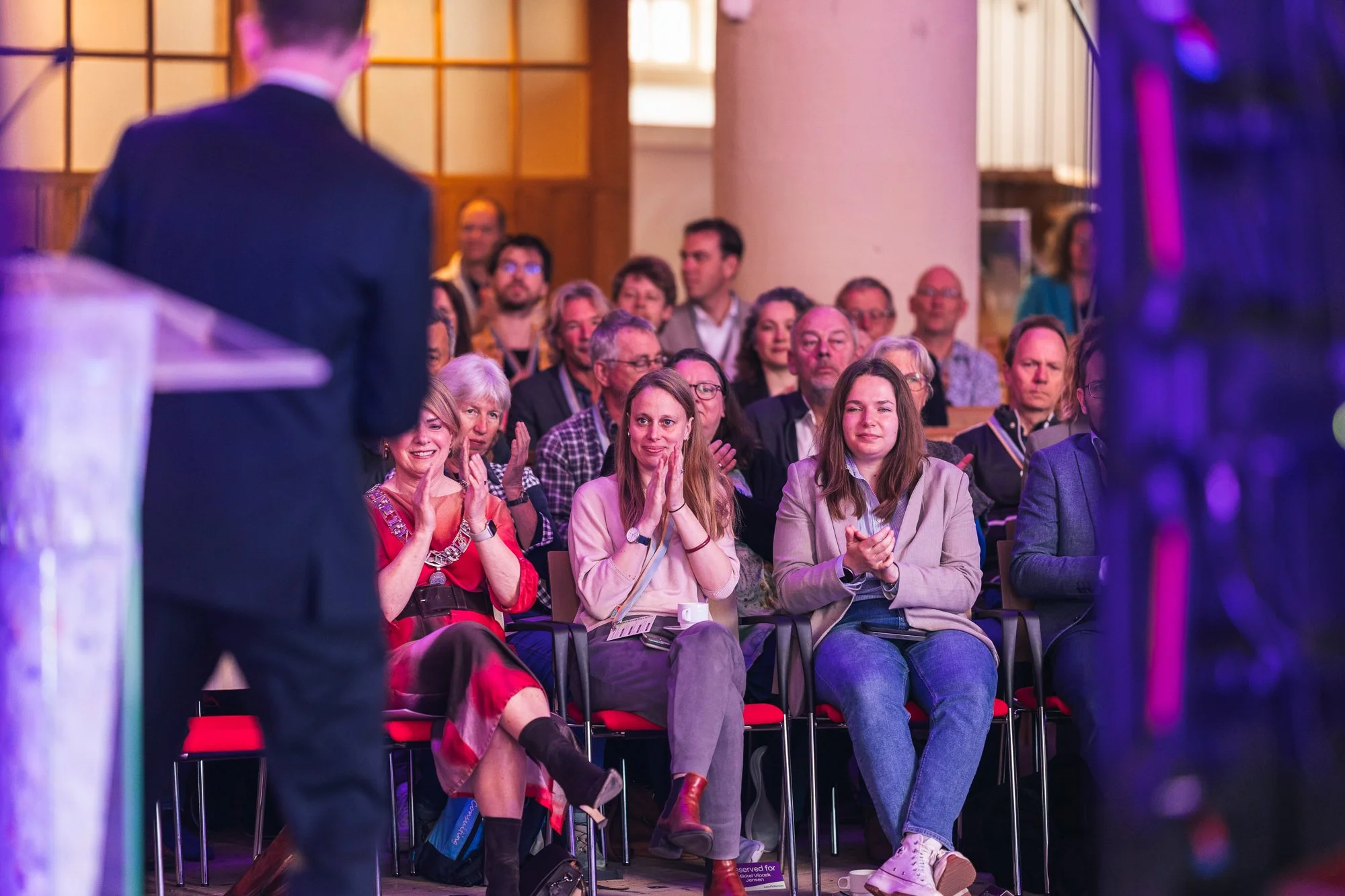
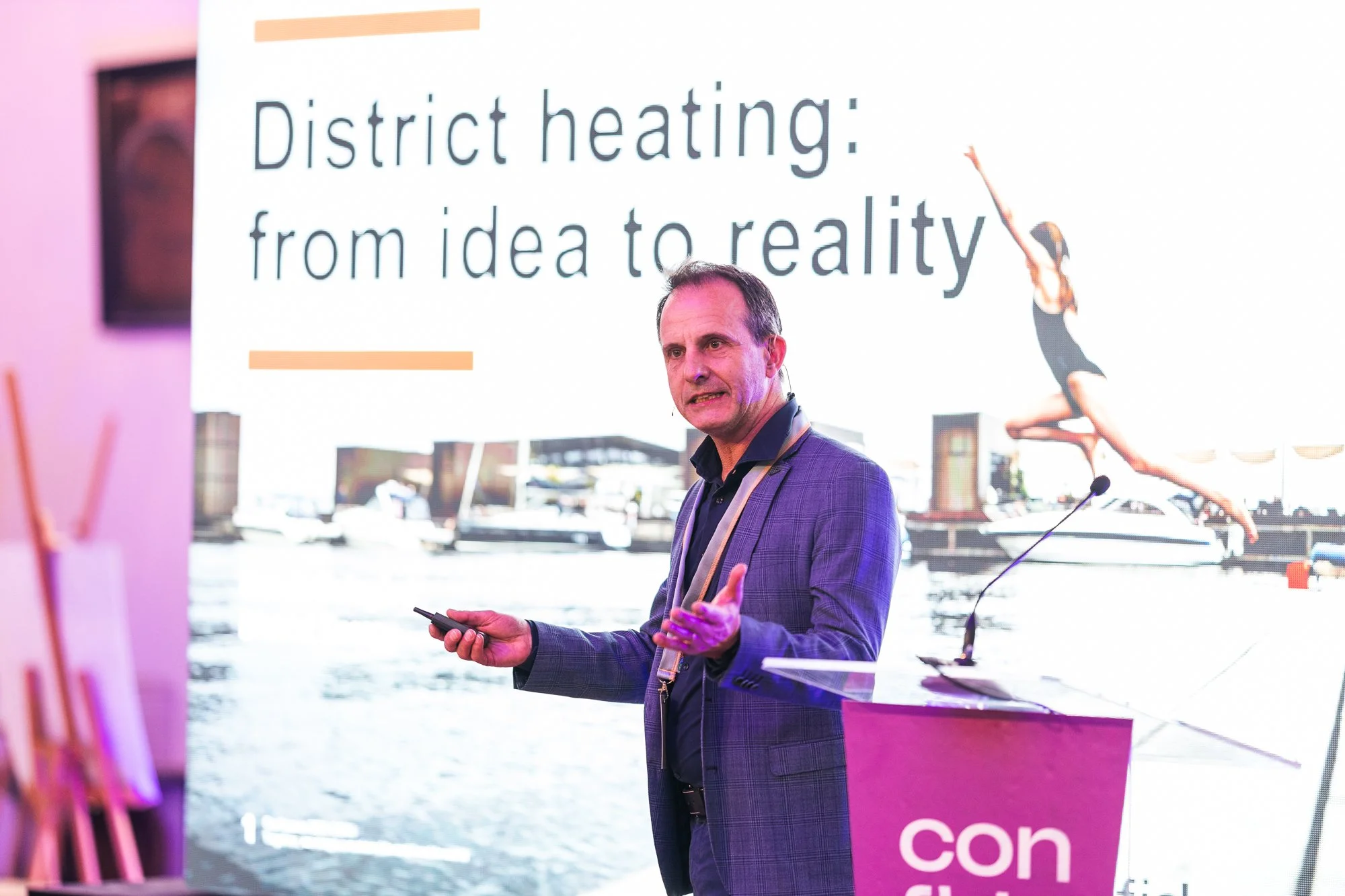
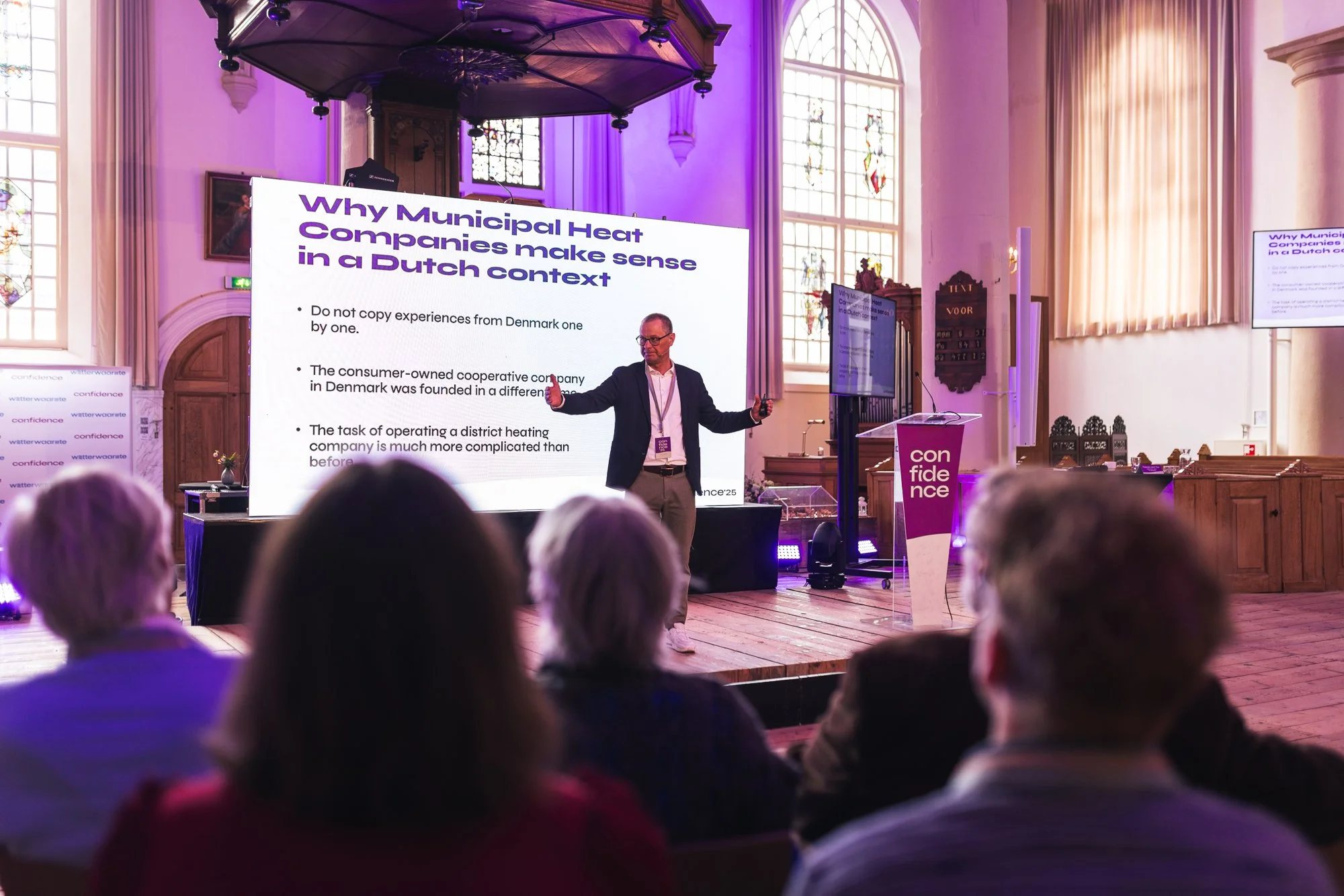
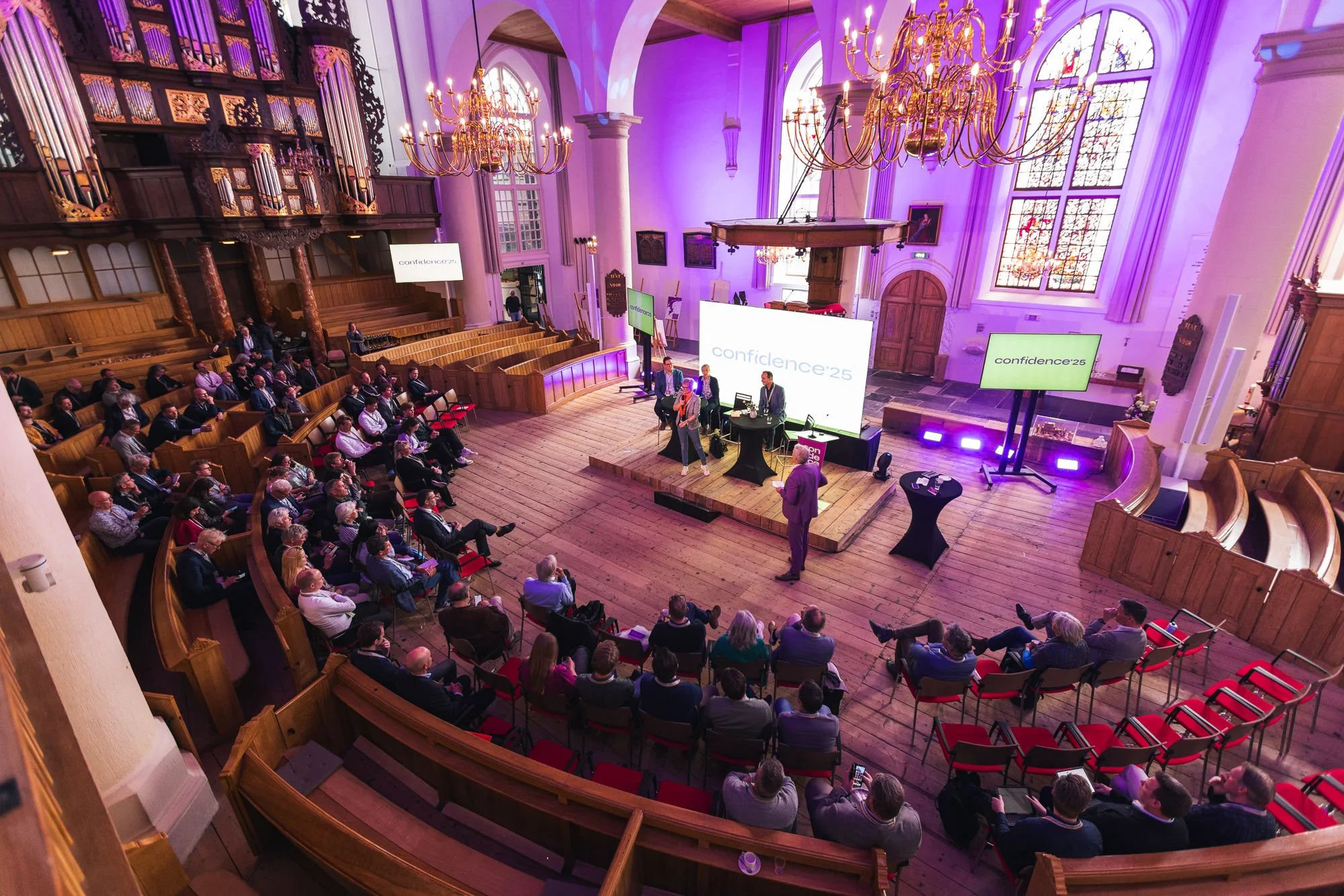
On April 10th, the Martinikerk in Sneek was more than just a historic setting; it became a symbol of what can happen when people come together with a shared purpose. Confidence '25 brought over 200 participants from across Europe to the heart of Friesland, uniting voices from the Netherlands, Denmark, Scotland, Belgium, and Germany in collaboration, knowledge-sharing, and trust in sustainable district heating.
At the center of this effort was Project Confidence powerful example of how international cooperation and open dialogue can build more than just energy systems. Thanks to the close partnership between the Danish Energy Agency (DEA), the Danish Embassy in the Netherlands, DBDH, and the dedicated team in Súdwest-Fryslân, including Michiel de Wit, Sacha de Haan, Joke Yedema, and others, the municipality has taken a historic step: establishing its own district heating company. This is not just a milestone, it’s a breakthrough.
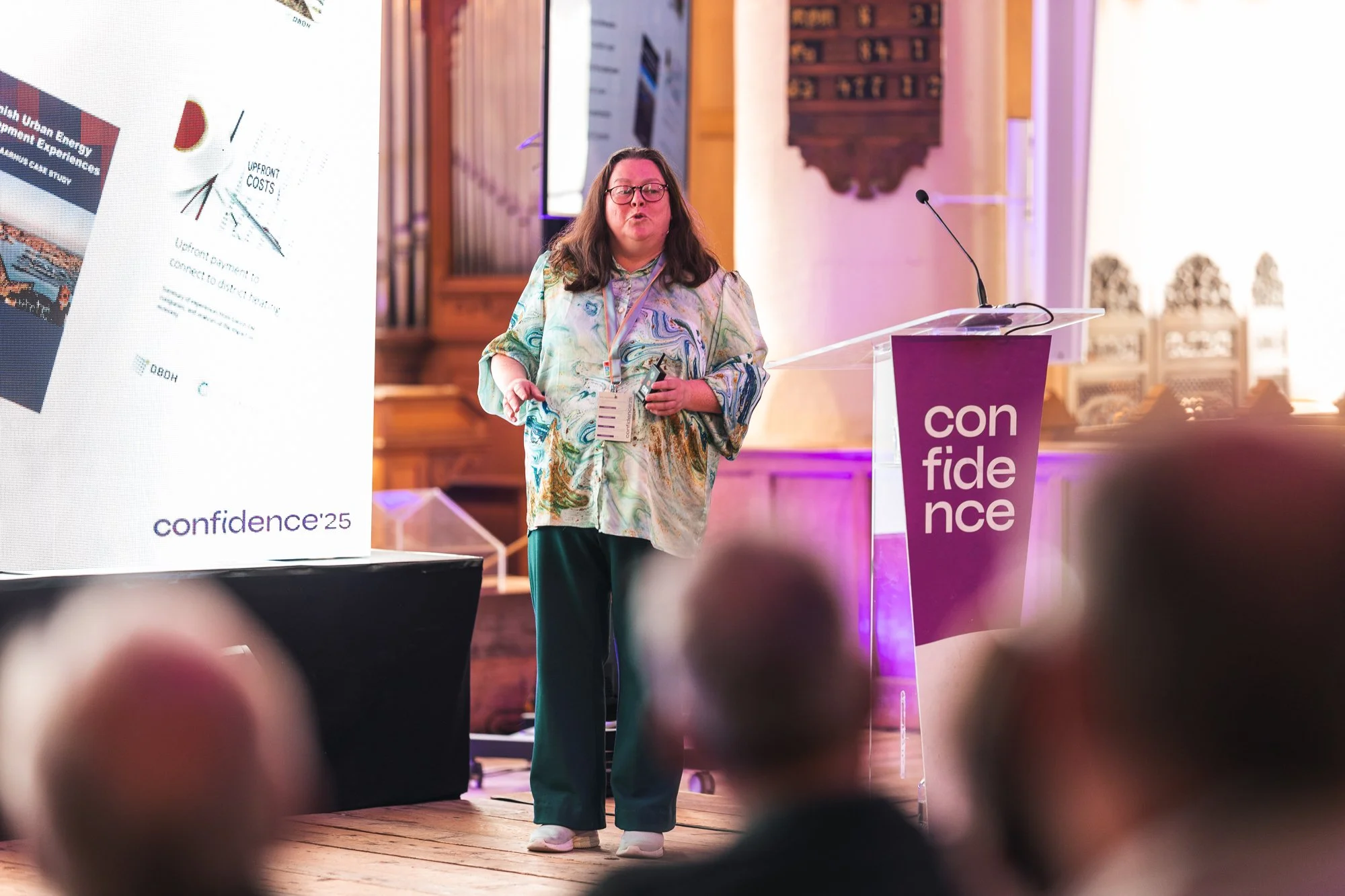
The event’s diverse program, ranging from technical sessions on aquathermal energy to discussions on financing and community participation, highlighted the value of exchanging experiences.
Danish experts contributed with tried-and-tested solutions from a country where more than 64% of households are heated by reliable, sustainable district heating networks. Their insights proved not only useful, but empowering.
One participant summed it up perfectly:
“The team in Súdwest-Fryslân now has the confidence, in every sense of the word, to move forward. They’ve taken ownership, made bold decisions, and are now ready to build a future-proof heating network.”
The report’s clear recommendations provide a strong foundation for the next phase, offering practical, actionable guidance. But perhaps the most important takeaway is this: collaboration creates confidence. And confidence to action.
Confidence '25 wasn't just a conference, it was a turning point.
Key recommendations based on the full Confidencereport:
1. Build trust from the start
Confidence essential among municipalities, residents, and stakeholders. Involve citizens early on, not just as users but as co-owners and decision-makers.
2. Plan big, start small
Create a municipality-wide master plan to identify the most promising areas first, based on heat demand density, availability of (residual) heat sources, and presence of large consumers.
3. Select public or municipal ownership
Public ownership ensures transparency, fairness, and reinvestment into the community.
4. Strengthen financial foundations early
Develop a comprehensive financial model at the outset, not just a technical feasibility study, and partner early with financial advisors and lenders familiar with infrastructure and renewables.
5. Use a phased development approach
Begin with pre-feasibility studies to assess potential, then refine with detailed engineering and stakeholder engagement. Roll out in manageable phases, reinvesting learnings and financial returns to scale up.
6. Learn from Denmark but adapt to the local context
District heating is not just urban. Even rural areas with sufficient density and heat sources can succeed. Adjust zoning strategies: move away from legacy postal code boundaries toward heat demand-based energy districts.
7. Coordinate and collaborate
Work across departments and stakeholders from urban planning to economic development. Form regional alliances and knowledge-sharing networks (as seen in Denmark).
8. Integrate flexibility and future-proofing
Design systems that can evolve.
9. Use strategic communication
Tailor the message to each group: residents, businesses, politicians, NGOs. Frame district heating as a solution to multiple challenges: climate goals, energy independence, economic development, and grid congestion.
10. Don't wait for perfection
District heating does not have to be 100% renewable on day one. Start now, improve continuously, and commit to long-term sustainability by 2050.